Showing posts with label Adventures. Show all posts

Thursday, May 31, 2018

People of Botswana


Identification. 
Formerly Bechuanaland Protectorate under the British, Botswana became independent in 1966. Bot swana means "place of Tswana" in the dominant national language, and the citizenry are called Bat swana, or Tswana people. The term Batswana, however, bears a double meaning. In government rhetoric, it refers to all citizens of Botswana. But the word also refers to ethnically "Tswana" people, as distinct from the other ethnic groups present in the country. This double meaning allows for both the expression of strong civic national sentiments and debate about the dominance of Tswana people and ideology over the broader population.

Location and Geography.
Botswana is a landlocked and arid country. Bordering on South Africa, Zimbabwe, Namibia, and Zambia, it is 224,607 square miles (581,730 square kilometers) in area, about the same size as France. Two-thirds of the country is comprised of the Kalahari Desert, which is covered with grasses and scrub but has scarce surface water. Mean annual rainfall ranges from under 10 inches (250 millimeters) per annum in the southwest to over 25 inches (635 millimeters) in the northeast. The entire country is prone to extended droughts, causing significant hardship to agriculturalists, pastoralists, and hunter-gatherers. The Okavango Delta, in the north, is a large inland delta, and people there fish and farm on its flooded banks; tourists are drawn to the large numbers of wildlife that congregate in the area. The eastern third of the country, with more rainfall and fertile soils, is home to most of the population. Prior to independence, the British administered the Protectorate from Mafiking in South Africa. The capital city today, Gaborone, was built on a village site in the southeastern corner of the country at independence, near the borders of several of the Tswana polities that dominated the country.


Linguistic Affiliation. Bantu, Khoisan, and Indo-European languages are spoken in Botswana. English is the official language and Setswana the national language. This means that the language of government and higher education is primarily English, but that Setswana is the dominant language spoken in the country. Ninety percent of the population is said to speak Setswana. The term Setswana refers both to Tswana language, and to Tswana practices/culture, and there has been increasing resistance.

Symbolism. "Pula," the Setswana word for rain, is featured on the coat of arms, and is called out frequently at public gatherings as a salute and cry of approbation. It is also the term for the national currency. The national anthem is "Lefatshe la Rona," ("Our Country"), and its title captures the strong attachment most Batswana feel to the land and its resources, as well as some antiforeign sentiments. Cattle were tremendously important not just to a material economy but also to the symbolic economy of status, family, and social relations in the past, and cattle remain powerfully evocative to most Batswana today.


Tuesday, August 29, 2017

The not-to-be-missed Namaqualand flowers!

Seeing the flowers!!

Visitors can enjoy self-catering accommodation at the Skilpad Rest Camp or enjoy various camping options along the coast. The main entrance, reception, administrative offices and prime accommodation are all at Skilpad. During the flower season, in spring, they host a temporary luxury camp at the coast that is run by a private operator.


Part of the semi-desert Succulent Karoo biome, Namaqualand is home to the richest bulb flora of any arid region in the world and more than 1 000 of its estimated 3 500 plant species are found nowhere else on earth. When compared to regions with similar semi-arid environments, the richness of this biome is exceptional.


During early August and September, seemingly overnight, the dusty valleys of Namaqualand are transformed in to a wonderland, carpeted with wildflowers that draw visitors from around the country and from abroad. 


Thursday, June 1, 2017

The Devon Hotel - South Africa


Devon detour

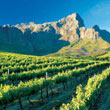
Devon Valley is one of Stellenbosch’s best-kept secrets, both scenically and viticulturally. Vines have flourished here since the 18th century and it has an enviable reputation, not only for the red wines produced here, but also as a source of premium grapes.

The Devon Valley Detour offers an unforgettable journey through the picturesque Devon Valley. Experience the abundance of flavours and renowned wines of the Vintners of Devon Valley, read more here.


Whiskey, Wine and food pairings

The Devon Valley Hotel is surrounded by its own working SylvanVale Vineyards that produce handmade boutique style wines that are only available for sale to guests to the property. Gourmet Food and SylvanVale wine pairing are available all year round either in Flavours Restaurant or on a smaller sample tasting scale of Flavours food canapés and a flight of three SylvanVale wines.
The Cedarwood Lounge & Bar is home to one of the most definitive collections of Single Malt Scotch Whiskies in South Africa and is frequented by self-confessed Whisky lovers from all over the globe. Whisky tastings and pairing menus are also available and presents the perfect opportunity for Whisky and food lovers to indulge in these simple pleasures while visiting the Stellenbosch Winelands.

Golfing in the fields

From its location in a beautiful and peaceful corner of the Devon Valley, just outside Stellenbosch, The Devon Valley Hotel offers golfers the ideal home-base from which to explore the surrounding area and play some of the best golf courses in the Western Cape. Within an easy driving distance radius of 10 to 30 minutes from the hotel, golfers can enjoy a choice of at least eight excellent golf estates. The options within this radius are DevonVale, De Zalze, Pearl Valley and Erinvale to name a few.

Visit the wine route

Wine lover or not, a visit to the Cape Winelands is an absolute must as the region is one of breathtaking vistas and majestic mountain backdrops while being steeped in rich culture and history. Rolling vineyards and quaint Cape Dutch homesteads await you, as well as award-winning wine farms offering some of the country’s best wines.
The Winelands are divided into various regions, each offering their own ‘wine route’. The most popular and well-known are Stellenbosch, Franschhoek, Wellington and Paarl. Not to be forgotten are the highly acclaimed wine estates in the Constantia Valley. Also located in beautiful surroundings with stunning mountain backdrops, the Constantia Valley boasts some of the oldest estates and homesteads along with award-winning wines.

Sun, Surf and sand

As The Devon Valley Hotel is situated in the very heart of the Winelands region and uniquely positioned in its own working SylvanVale Vineyard, guests find themselves surrounded by lush gardens and vineyards and basically everything that celebrates the fine art of wine making. If however, they wish to enjoy a day out on the beach, it is only an easy 20 kilometre’s drive to the nearest beach at Strand (about 20-25 minutes’ drive).
A further 5 kilometres along the coast is Gordon’s Bay and the ever popular Bikini Beach, adjacent to the harbour and yacht club. Boating and fishing can be done from the harbour and swimming in Gordon’s Bay’s beach area is probably the safest of all the False Bay beaches. Guests can enjoy long, leisurely walks along the Strand beach or opt for the more active beach activity options of swimming, boogie-boarding, surfing, paddle-skiing, kite-surfing and sailing.

Whale watching in Hermanus

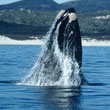
Approximately an hour and a half from Devon Valley is the seaside town of Hermanus. Hermanus is hailed as offering the best land-based whale watching in the world. From May onwards Southern Right Whales pay homage to these warm, shallow waters in order to calf their young and to mate. The best time for whale watching is between August and November and at this time the bay is dotted with whales.

Tuesday, May 16, 2017

Southern Africa Places

Amadeus Garden Guesthouse - Zimbabwe

Amadeus Garden, Bed & Breakfast style accommodation in walking distance to the Victoria falls. Amadeus garden is the right choice of accommodation for you if you prefer the atmosphere of a small lodge to the big Victoria falls hotels. A safe and trusted guesthouse since 1999 only 2.5 kilometres from the Falls.


Kaya Inkalamo Game Lodge - South Africa

Situated in the heart of the North West bushveld lies the paradise Kaya Inkalamo Game Lodge. Break away and experience the beauty of the bushveld right here, the lodge is renowned for weddings, conferences, functions, fishing and much more.

Whether you are a couple looking for some privacy or romance, or a family looking for a place to get together and relax, Kaya Inkalamo is the place to be. We and our staff will see to it to make your stay a comfortable and pleasant experience.


Shumba Camp - Zambia

Their fully inclusive rates are not just about the level of accommodation or the thread count of the linen. They encompass elements that cannot be counted or measured, such as exclusive access to vast tracts of Africa’s best wildlife areas, creating a unique sense of seclusion, comfort, privacy and space. In turn, your presence helps us in the conservation of all these areas.

Shumba Camp is operational from 01 June to 31 October.
Shumba Camp offers a fully inclusive rate.


Thursday, March 16, 2017

The Ancient Fish River Canyon

Fish River Lodge in southern Namibia is the only lodge perched directly on the rim of the Fish River Canyon offering guests breathtaking views of the canyon from sunrise to sunset. Experience first hand the geological forces that unfolded 300 million years ago, when the Fish River began to etch its way through hard quartzite forming a Canyon 90 km long, making it the world's second largest Canyon. Set in a grove of ancient Quiver trees (Aloe dichotoma), the Lodge has been carefully designed to echo the terraced and rugged terrain as well as the colours and textures of the landscape thereby offering guests a pleasant change from the typical 'safari' type lodge found elsewhere in Africa. There is a blend of classical and contemporary furnishings and many of the accessories have been made by San and Nama communities whose ancestors once roamed the terrain; authenticity, comfort and simplicity are key to the Lodge's unique ambiance.


Wednesday, January 25, 2017

Explore the Okavango Delta

Considered one of Africa's masterpieces, the Okavango Delta offers and insight into one of Africa's truly great wildernesses. A World Heritage Site, this vast and virtually untouched freshwater wetland lies at the heart for Botswana's arid Kalahari yet supports an abundance of wildlife within a setting of dazzling natural beauty!


Highlights of the Okavango Delta:
The variety of flora and fauna means excellent game viewing year round
With such a profusion of life, predators in the form of lion, leopard, cheetah, hyaena and wild dog abound
Mokoro excursions offer an authentic and unobtrusive insight into this incredible wetland paradise

Okavango Delta Accommodation:

Camp Okavango
Eagle Island Lodge
Guma Lagoon Camp
Gunns Camp
Kana Kara Camp

For more accommodation please visit our website:
 www.botswana-reservations.com

Wednesday, January 27, 2016

Augrabies - Remarkable Sight

Few sights are as awesome or a sound as deafening as water thundering down the 56m Augrabies Waterfall when the Orange River is in full flood.


 The Khoi people called it ‘Aukoerebis’, or place of Great Noise, as this powerful flow of water is unleashed from rocky surroundings characterised by the 18km abyss of the Orange River Gorge. 


Picturesque names such as Moon Rock, Ararat and Echo Corner are descriptive of this rocky region. Klipspringer and kokerboom (quiver trees) stand in stark silhouette against the African sky, silent sentinels in a strangely unique environment where only those that are able to adapt ultimately survive. 


The 55 383 hectares on both the northern and southern sides of the Orange River provide sanctuary to a diversity of species, from the very smallest succulents, birds and reptiles to Hartmann's mountain zebra, springbok, gemsbok and giraffe. 


These foreboding black hills are another distinct landmark in Augrabies. Quartz-poor, these igneous rocks seem to form a natural border between the harsh environment of the gorge area and a more fertile area on the other side. The contrast between the two landscapes can best be seen from the top of Swart Rante.


Monday, January 25, 2016

Cape Town SPECIAL

Table Mountain


 Table Mountain is the most iconic landmark of South Africa.

It is also the country’s most photographed attraction and its famous cable car took millions of people to its top.

 
Table Mountain has become the single most welcoming icon to not only our people, but travellers from all over the world.

 
But this mountain hides many surprises that wait to be discovered.

 
Besides the parks, the whole area has a biodiversity that is rare to find in other places on earth. Its many valleys and streams make it an idyllic getaway from Cape Town. The national park’s most unique feature is its "fynbos" vegetation that is displayed here better than anywhere in the world.


Thursday, January 21, 2016

Seven Wonders of Botswana

What are the Wonders of Botswana?  

 Botswana is home to one of Africa's Seven Wonders of Nature, but that is only a start to the wonders this country offers. Botswana is truly an African gem for encounters with nature, but the country is also rich in culture and heritage.


Okovango Delta 

Okovango Delta is the largest inland delta in the world formed from the Okavango River’s tectonic drain. The delta has almost 11 cubic kilometers of water spreading over its area of almost 15,000 square kilometers. Okavango Delta is rich in wildlife and provides an opportunity to see the Big 5. 
 
Kubu Island
 
 Kubu Island is made up of dry granite rocks situated in Botswana’s Makgadikgadi Pan. Kubu Island is a national monument and a consecrated place for the indigenous people. Kubu actually means large rock, but can also mean hippopotamus in Tswana.

 Moremi Game Reserve
Moremi Game Reserve is one of Botswana’s national parks. The park’s name was taken from the BaTawana tribe’s chief, Chief Moremi. It is one of Botswana's wildlife viewing gems.

Tuli Block

This narrow border of Botswana lies in between Zimbabwe and South Africa. Tuli Block is known because of its geographical features such as the Solomon’s Wall and Lepokoe Hills. This piece of land features beautiful rock formations, abundant wildlife, strange vegetation and of course, a rich archaeological heritage.

Tsodilo Hills

The Tsodilo Hills, a UNESCO World Heritage Site, has exceptional spiritual and religious connection to locals. Tsodilo Hills traces human settlement over hundreds of decades. The hills features rock paintings of more than 4,500 within its 10 square kilometer area.